
Plan the job before you name the machine
On Malaysian sites the argument often starts with a catalogue page. Someone wants a material lift because the last crew used one, someone else wants a scissor pack because the depot had one free, and the scaffold quote arrives last with a different height assumption. By then the ceiling height, floor loading and delivery bay width have not been measured once.
A calmer approach is to write the task first: what must go up, who must stand beside it, how long the work lasts, and what the floor can honestly carry. Only then do you choose among lifts, elevating platforms and towers.
When a material lift is the right first call
If the main problem is moving panels, ducting or boxed equipment to a mezzanine, and people do not need to ride with the load, a dedicated material lift keeps the person and the cargo on separate paths. That separation matters when the load is awkward or heavier than a worker should share a basket with.
Spec sheets for portable material lift configurations usually list rated load, platform size and stowed height. Read those numbers against the narrowest doorway on the route, not against the open warehouse you saw in the brochure. Leave a margin for packing crates and for the person guiding the load.
Also ask how the machine is powered on your floor: battery duration for a night shift, cable management near wet work, and whether the lift can be moved safely with a partial load. Many mid-job surprises are power and path problems dressed up as “wrong machine” complaints.

Where MEWPs earn their keep
When a person must work at height for more than a few minutes, or must reach over obstacles, a mobile elevating work platform is usually safer than improvising from a material deck. IPAF, the International Powered Access Federation, groups machines by how the platform moves relative to the chassis, which helps crews talk about the same machine class across brands.
Browsing MEWP product categories for site work is useful after you know indoor versus outdoor, rough terrain versus slab, and whether the operator needs vertical-only travel or outreach. Training and a written rescue plan still matter more than the colour of the guardrail.
An industry briefing on managing MEWPs safely, including planning and on-site habits.
Scaffold towers when the work stays in one strip
For long runs of painting, trunking or facade repair where the crew will stay in a narrow band for hours, a properly erected aluminium tower can still be the quieter choice. The UK Health and Safety Executive’s pages on work at height duties keep returning to the same idea: use equipment that fits the duration and the risk, then inspect it before each shift.
Malaysia’s construction industry also leans on CIDB for broader contractor competence expectations; the CIDB Malaysia homepage is a starting point for industry references, while site rules still sit with the project safety plan. Product pages covering aluminium scaffold tower options should be read next to that plan, not instead of it.
A short site walk that prevents expensive swaps
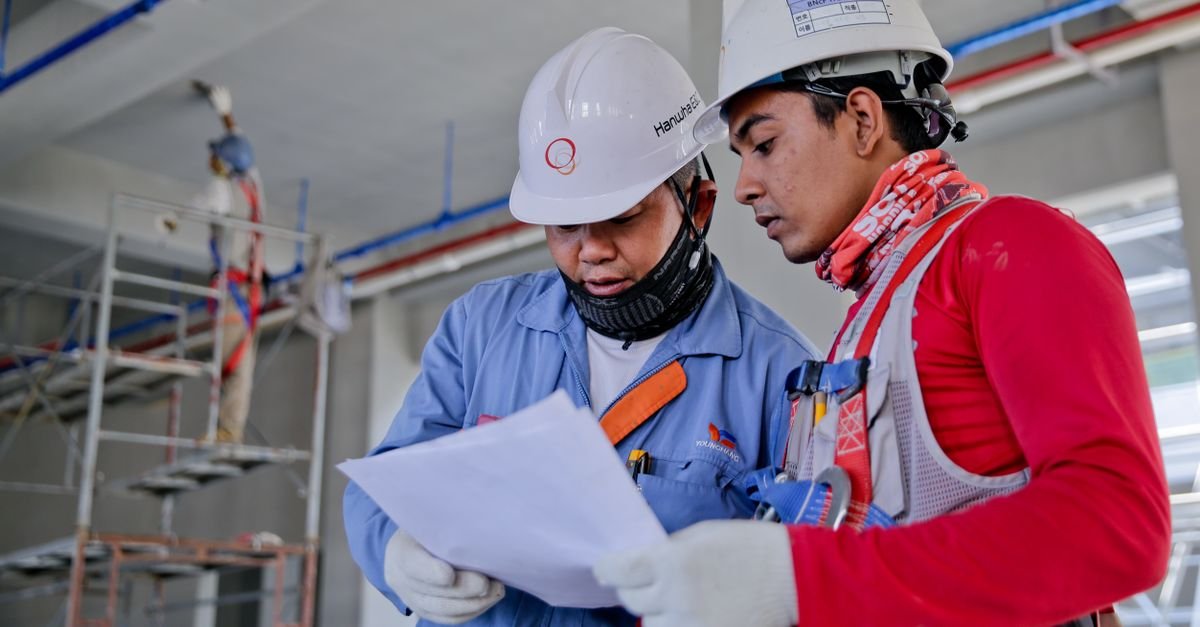
Walk the delivery path with a tape measure. Note floor type, slope, overhead services and where a machine will sit overnight. Write the rated load and the actual load on the same line. If those two numbers make someone uncomfortable, change the method before the truck arrives.
Photograph the tightest corner and the softest floor slab. Send both to whoever will unload the truck. A thirty-second video of the route often prevents a machine that fits on paper from failing at the loading bay lip.
That habit costs less than a mid-job swap between a lift, a MEWP and a tower, and it keeps the conversation on the work instead of on whoever shouted loudest in the WhatsApp group.