
Choosing Sabah souvenirs without last-minute airport regret
Sabah trips often end with a rushed souvenir stop when suitcase space is already gone. A calmer method is to split the list into three baskets before you shop: ready-to-eat snacks, longer-keeping dried seafood, and story-rich local crafts. Weight, humidity, and cabin-bag rules belong in the budget beside price tags. Counters near departure gates reward impulse more than careful smelling and label reading.
Guides to 沙巴特产 (Sabah specialty gifts) help travellers build a first shortlist. Still smell dried goods, check dryness, and ask how to store them once home. If a pack feels damp, skip it even when the discount looks loud.
Malaysia’s Ministry of Health publishes food safety context consumers can learn from. The FAO fisheries hub offers broader seafood supply-chain literacy. Use both as background, then judge the product in front of you with your own senses.
Dried seafood checks that travel well
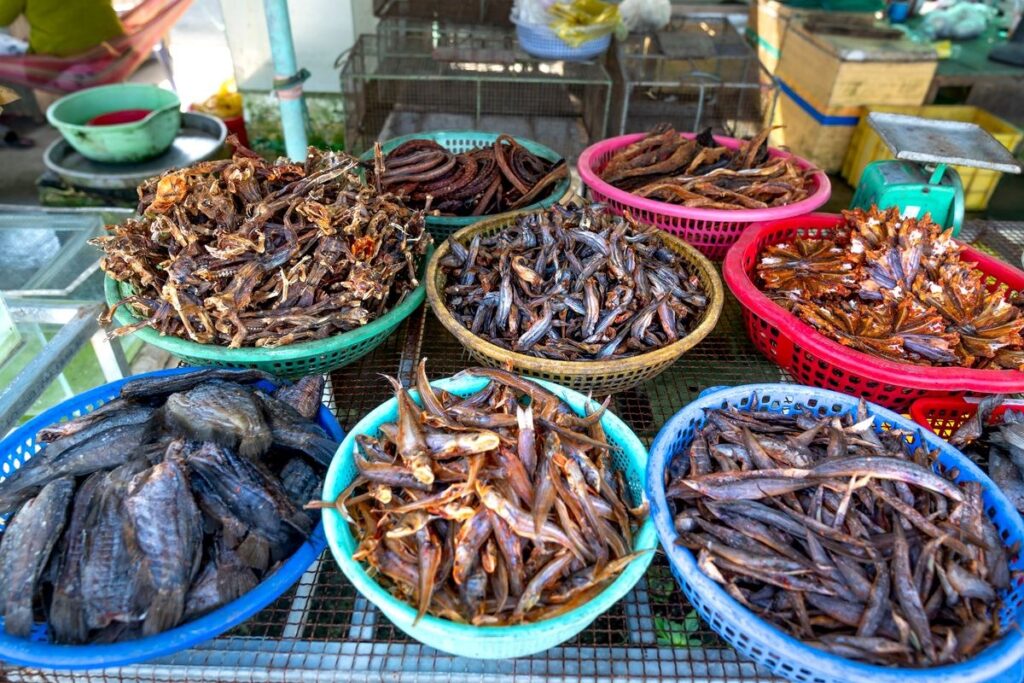
Sabah is known for dried seafood gifts such as shrimp, squid, and related snacks. When browsing 海味 (dried seafood) stalls or shops, look for unusual clumping moisture, sharp off smells, and torn seals. Travel bags favour smaller packs you can finish after returning, with leftovers sealed again for the pantry.
Ask about restock cycles. Faster turnover usually means fresher shelves. Keep receipts for family questions about ingredients later. Write storage advice on the box in both Chinese and English if elders will open the gift. Avoid mixing strongly scented packs beside soft fabrics in the same pouch.
Fish maw and 花胶: learn soaking before hosting
Fish maw, often discussed as 花胶 or 鱼鳔, appears in festive soups and requires time to soak and cook. Reading about 花胶 helps explain wide price bands and why humidity damage matters. Treat wellness marketing as general culture talk, not personal medical advice. People with special health conditions should ask a qualified professional before making fish maw a routine food.
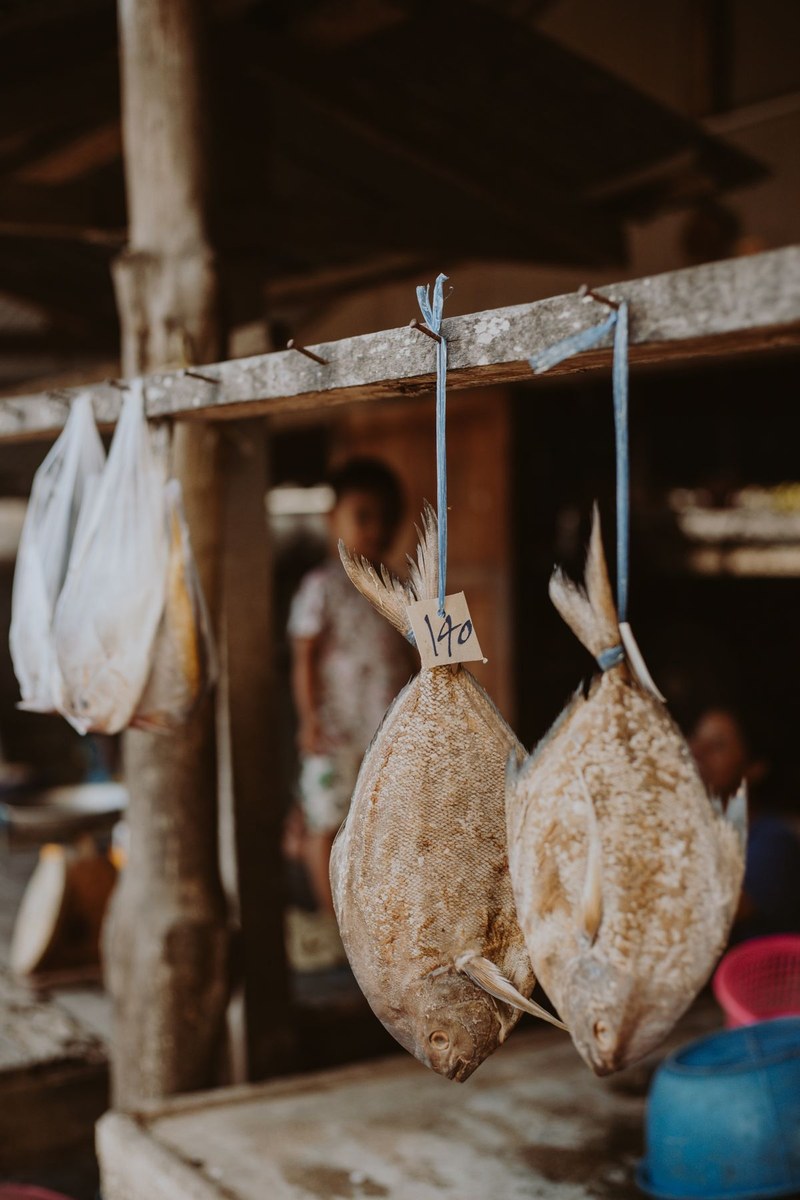
Buy a small first portion. Test texture in a simple soup before promising a banquet menu. Note soak times that actually worked in your kitchen rather than copying a social media clock. Discard stock that smells sour after soaking.
Hand-carry and check-in practicalities
Sauce jars and vacuum packs follow airline liquid and agricultural rules that change by carrier. Check official baggage pages before packing glass. Soft clothing makes good padding. Minimise hot tarmac time for perishable packs. A small card with Chinese and English names helps relatives and, when needed, inspection officers understand what you are carrying.
Split weight across travel companions so one person is not stuck with overweight fees while others walk empty-handed. Photograph sealed packs before checkout if you may need to prove condition later.
Storage rhythm after you land
At home, sort items into chill, dry-sealed, and short room-temperature groups. Open the most aromatic packs first while quality peaks, then portion the rest. Souvenirs work best as shared travel memories. Clear choices and careful storage beat a suitcase stuffed with regret purchases from the final hour before boarding. Before you pay, say out loud why each pack of dried seafood made the cut; if you cannot explain it in one sentence, it probably belongs back on the shelf. Ignore viral haul videos until you have finished the list you wrote before the trip. If you are buying for several households, agree who carries which bag and who pays, so nothing gets left at the counter. Jot a quick note on what you skipped and why, such as price, smell, or packaging. Look at that note again before your next trip, because prices and seasonal catches change. A short record of what you bought, where, and how well it kept at home makes the next visit faster and cheaper.